

Life in Duck Creek, Cedar Highlands, and Brian Head
There’s something about mountain air that shifts your perspective. The rush of city life falls quiet. Time stretches a little. The sky feels wider. In places like Duck Creek Village, Cedar Highlands, and Brian Head, life doesn’t just slow down it deepens.
For many, the dream of building a log home in Southern Utah isn’t about square footage or finishes. It’s about a place. About stillness. About walking outside and hearing only wind through the pines and the sound of your own breath. It’s a lifestyle rooted in nature and simplicity and it’s one that’s drawing more people here every year.
Learn more about working with local log home builders
The Rhythm of the Seasons
Living With the Land, Not Just On It
One of the first things you notice living in the mountains is how much the seasons shape your days.
In Duck Creek, summer mornings are cool and crisp, with high-elevation air that makes even a cup of coffee feel like an experience. Trails open early, drawing families and adventure-seekers into the forest for hiking, fishing, and ATV riding. The meadows are full of wildflowers, and nearby creeks run clear and cold. Cabins here often host large porches and fire pits, where evenings mean campfire stories, stargazing, and the calming crackle of seasoned pine logs.
In Cedar Highlands, fall is its finest hour. The ridgelines glow amber and gold beneath crisp, cloudless skies. Wildlife like mule deer and wild turkeys are frequent visitors. It’s quieter here, with fewer tourists and a stronger sense of seclusion. Winter comes early often by late October and brings with it heavy snow and icy winds. But to residents, this is part of the reward. Snow removal and firewood stacking become part of a peaceful, predictable routine, and a well-built log home offers unmatched protection from the cold.
In Brian Head, winter isn’t just a season; it’s a lifestyle. The area averages over 300 inches of snowfall a year, making it a skier’s paradise. The resort draws visitors from all over the West, but many homeowners stay tucked in, enjoying the view from behind big picture windows. Log homes here are often designed as cozy mountain retreats with vaulted ceilings, radiant floor heating, stone fireplaces, and covered decks to take in the snowfall. Life moves a little slower, more quietly. Spring takes its time, returning gradually through the sound of melting icicles and the first wildflowers poking through the snow. By summer, alpine meadows burst with color and mountain bikers ride the same lifts skiers used just months before.
These places aren’t just backdrops. They are characters in the story. And a well-built log home lives in sync with them.
Explore how the classic log cabin is evolving in modern mountain living
The Pace of Life: Stillness, Simplicity, and Self-Reliance
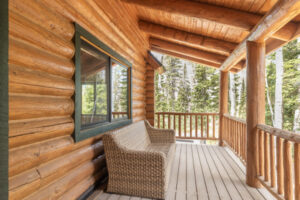
When Quiet Becomes a Feature, Not a Flaw
In mountain communities, quiet isn’t emptiness, it’s presence. It’s space to breathe. To think. To live without constant noise. That’s why so many who build here are seeking more than a weekend cabin. They’re seeking a reset.
Whether you’re working remotely or retiring into your next chapter, places like Duck Creek and Cedar Highlands invite you to live more intentionally. Chopping wood, prepping for winter, watching storms roll in these aren’t chores. They’re part of the rhythm. Part of the reward.
A log home fits this life in a way that sheetrock never could. Natural. Honest. Built to last.
Full-Time Living vs. Second Home Retreats
Building a Life or a Place to Escape To
We work with both year-round residents and families building second homes. Each approach brings different needs.
Full-time living in Cedar Highlands or Brian Head means planning for winter access, reliable heating systems, and smart use of space. Storage matters. So does insulation. And so does the peace of knowing your home will stand strong through heavy snow, high winds, and long winters.
Second homes in Duck Creek are often built with a different rhythm in mind. Quick weekend getaways. Summer gatherings. Rental potential. These homes are designed to welcome, unwind, and recharge.
See how log homes support legacy-building and family connection
Choosing the Right Community for Your Log Home Lifestyle
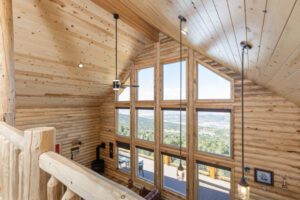
Finding the Right Fit Between Land and Lifestyle
Each mountain community has its own personality, and the one you choose will shape the kind of log home living experience you have:
- Duck Creek Village is welcoming and easy to access, with well-maintained roads and a strong sense of community. It’s especially appealing for families and those who enjoy outdoor recreation ATV trails, fishing spots, and hiking paths right outside your door. Many homeowners here use their cabins year-round thanks to four-season access, and there’s a balanced mix of full-time residents and vacationers. Expect a relaxed pace, neighborhood gatherings, and forest views in every direction.
- Cedar Highlands feels more private and rugged. Perched above Cedar City, it offers panoramic mountain views and cooler temperatures year-round. This area attracts those who value peace and solitude, with fewer short-term visitors and more long-term homeowners. It’s a great option for anyone working remotely or looking to settle full-time in a place that feels wild but is still close to town for groceries, supplies, and services. You’ll find off-grid energy systems, winter prep routines, and neighbors who know how to live with the land.
- Brian Head is known for its ski slopes, alpine climate, and high elevation over 9,600 feet. It’s lively in winter, thanks to the ski resort, but also quiet and serene in the warmer months. This town appeals to snow lovers, seasonal renters, and real estate investors. Many of the log homes here are built with rental income in mind, with spacious layouts, bunk rooms, and easy access to lifts. It’s a place where you can snowshoe from your front porch or mountain bike from your back deck.
The log home you build should reflect how you want to live, not just where.
Compare the different types of log homes suited for Southern Utah living
For Out-of-Town Buyers: Building from Afar with Confidence
You Don’t Have to Live Here to Build Here
If you’re living in another state or down in the valley, building a home up here can feel like a leap. But it doesn’t have to.
We’ve helped families from all over the country build in Duck Creek, Brian Head, and beyond. Our process is built for long-distance trust:
- Regular photo and video updates
- Clear communication at every stage
- Local permit and zoning guidance
- Trusted subcontractors and suppliers
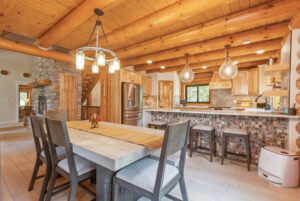
Whether you’re planning now or five years from now, we’re here to guide you through it.
Read our full guide to building a mountain home in Southern Utah
FAQ of Log Home Living
Q: What’s the difference between Duck Creek, Cedar Highlands, and Brian Head?
A: Each of these communities offers a distinct take on log home living. Duck Creek is ideal for families and outdoor lovers, with easy access to trails, lakes, and year-round recreation. The roads are well-maintained, and the community is a mix of full-time residents and weekenders. Cedar Highlands is quieter and more secluded, perfect for those seeking full-time mountain living with privacy, big views, and close access to Cedar City. It’s especially appealing to retirees and remote workers. Brian Head is the place for snow enthusiasts and investors alike. With over 300 inches of snowfall annually, it’s a skier’s dream and a strong location for seasonal rentals.
Q: Are log homes good for full-time mountain living?
A: Definitely. When built properly, log homes perform exceptionally well in mountain climates. They’re naturally insulating, structurally strong, and resistant to wind, cold, and seasonal changes. Features like tight joinery, proper chinking, and modern insulation methods allow log homes to retain warmth in the winter and stay cool in the summer. They’re well-suited to the full-time demands of high-elevation living.
Q: Can I build a vacation cabin even if I live out of state?
A: Absolutely. In fact, many of our clients live out of state and are building their dream log retreat in Southern Utah. We offer a streamlined process with consistent updates, photos, and a clear communication plan to make sure you’re always in the loop, no matter how far away you are. We also help with land selection, permitting, and building timelines that work around seasonal conditions, so the experience is smooth from start to finish.
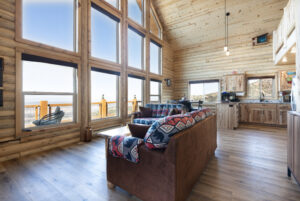
Conclusion: Build More Than a Home, Build a Way of Life
Log home living in Southern Utah isn’t for everyone. But for those it speaks to, it speaks deeply. The quiet. The seasons. The self-reliance. It all adds up to something lasting.
A log home in Duck Creek, Cedar Highlands, or Brian Head isn’t just a place to stay. It’s a place to become. To breathe again. To remember what matters.
If you’re dreaming of a mountain log home, we’d be honored to help. Explore our past work or contact us to start a conversation.