
Building a home is a significant milestone. It’s often the biggest investment you’ll ever make. Therefore, selecting the right residential construction company is crucial for a successful construction project. A wise choice leads to a smooth build and high-quality results when building new properties.
Choosing from several residential construction companies doesn’t have to be overwhelming. This guide provides the insights you need for a well-informed decision. You’ll learn how to choose a builder that aligns with your vision and budget.
Table of Contents:
- How to Select the Best Residential Construction Company for Your Needs
- Know What You Want and What You Can Spend
- Research and Create a Shortlist of Residential Construction Companies
- Check Out the Homes They’ve Built
- Talk to Them: Ask Smart Questions
- The Contract and Schedule: Getting the Details Clear
- Warning Signs: Things That Should Make You Worry
- Sustainable Practices in Residential Construction
- The Role of Technology in Modern Construction
- Navigating Mortgage Financing for New Construction
- Understanding Construction Project Timelines
- The Importance of Regular Site Visits
- Ensuring Compliance with Building Codes and Regulations
- Warranty Coverage and Post-Construction Support
- Building a Strong Relationship with Your Builder
- Conclusion
How to Select the Best Residential Construction Company for Your Needs
Let’s explore the essential steps in finding the right residential construction company to meet your needs. These tips will make your building process less stressful and more rewarding.
1. Know What You Want and What You Can Spend
Start by defining your dream home. Do you envision a fully custom design with meticulous attention to every detail? Or are you comfortable selecting from pre-designed options? Perhaps a spec home, already planned and partially built, offers the easiest path to homeownership.
Consider the level of control you want over every aspect of the project. Your answer will influence the type of builder you need. If a custom home is your lifelong dream, then consider construction services that specialize in bringing unique visions to life.
Next, assess your financial situation realistically. How much can you afford to spend? Include all potential costs, and then prepare for unexpected expenses. Set a budget, but remain flexible, as unforeseen problems or sudden cost changes may arise during the construction process.
2. Research and Create a Shortlist of Residential Construction Companies
Local expertise is invaluable. A builder familiar with your area understands the specific challenges and opportunities it presents. For example, in Southern Utah, a builder must understand the unique terrain and weather conditions. Therefore, you need a construction team experienced with the local environment.
Begin by verifying that prospective construction companies are properly licensed. Then, confirm they are insured to protect yourself from liability. Complete these checks before proceeding with any companies on your shortlist, ensuring peace of mind throughout your project.
How do you identify reputable builders?
Finding builders with a solid reputation is essential. What are other homeowners saying about their experiences? What feedback do they give regarding project needs and the quality of the workmanship?
Here’s how to create your shortlist:
- Ask Around: Talk to friends, family, or coworkers who own homes and can offer recommendations.
- Online Checks: Explore platforms like the Better Business Bureau for ratings and reviews.
- Local Groups: Check local home builder associations for suggested companies.
3. Check Out the Homes They’ve Built
Photographs provide a glimpse, but visiting completed homes in person offers a more comprehensive view. When possible, tour homes the builder has finished. This allows you to assess their skill and attention to detail firsthand.
Pay close attention to the details. What materials did they select? Is the design aesthetically pleasing and functional? Does the quality of the workmanship meet your standards upon closer inspection?
Online reviews can offer additional insights. Read them critically, keeping in mind that people often express strong opinions online. Look for recurring themes: consistent positive or negative feedback can reveal valuable information about a builder’s reputation.
Also, consider whether the builder utilizes quality materials for each project. Some builders follow the concept of “Do It Right The First Time,” which results in a homemade with care and excellent materials.
4. Talk to Them: Ask Smart Questions
Now, it’s time to communicate directly with potential builders. Prepare a list of insightful questions to ask during your meetings. How long have they been building homes similar to the one you envision?
Can they provide references from satisfied past homeowners? The most reputable builders readily encourage you to speak with their former clients. This is a good sign of positive construction work.
Construction projects aren’t always seamless. What happens if rain delays the project? Or unexpected rock formations are discovered underground? How does the builder address unforeseen problems and challenges?
What guarantees do they offer after the home is completed? A reliable builder stands behind their work with solid warranty promises. Good communication and problem-solving build confidence with home buyers.
5. The Contract and Schedule: Getting the Details Clear
The building contract is critically important. Take the time to thoroughly understand every detail. It’s more than just words on paper; it’s a document that protects your interests.
Clearly define the payment schedule, outlining when payments are due and what each payment covers during the various construction activities. A clear understanding of the payment schedule can make a world of difference.
How will the builder maintain communication throughout the project? How often will they provide updates? Consistent and open communication can provide homeowners with real-time insights. Personal on-site management and interactive communication are key promises that reputable builders provide, making your investment feel protected.
6. Warning Signs: Things That Should Make You Worry
Be cautious of contracts that are vague or ambiguous. Watch out for prices that fluctuate without clear justification. Poor communication and lack of organization can lead to delays and misunderstandings. Make sure the residential construction company has a clear communication process and a well-structured approach to project management.
Do they evade your questions? Are they unwilling to provide references? Do they have overwhelmingly negative reviews online? These are all warning signs that warrant careful consideration before proceeding.
What to look for when choosing residential construction experts:
- Great communication skills from the team
- Local expertise with the area’s unique conditions
- Responsiveness to all issues during projects
- High-quality building supplies and materials
- Strong work ethic vouched for by professional contacts and referrals
- Excellent customer service to maintain a smooth construction process
- Extensive experience in handling unexpected challenges efficiently
Sustainable Practices in Residential Construction
With growing environmental awareness, sustainable practices are gaining prominence in residential construction. Builders are increasingly incorporating eco-friendly materials and energy-efficient designs. These sustainable choices not only reduce environmental impact but also offer long-term cost savings for homeowners.
Consider exploring options such as solar panels, rainwater harvesting systems, and smart home technologies. Discuss sustainable choices with potential builders. See how they can integrate them into your new home project. By prioritizing sustainability, you can create a home that is both environmentally responsible and cost-effective over time.
The Role of Technology in Modern Construction
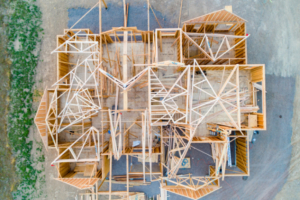
Technology has revolutionized various industries. The residential construction sector is no exception. From design and planning to project management and execution, technology plays a pivotal role in streamlining the construction process and enhancing efficiency.
Building Information Modeling (BIM) software enables builders to create detailed 3D models of homes. This allows them to visualize the project, identify potential issues, and optimize the design. Project management tools facilitate seamless collaboration among team members, track progress, and manage budgets effectively.
Drones equipped with cameras provide aerial views of the construction site, enabling builders to monitor progress and identify safety hazards. Smart home technologies, such as automated lighting, temperature control, and security systems, enhance comfort, convenience, and energy efficiency for homeowners. By embracing technology, builders can deliver higher-quality homes, reduce costs, and improve customer satisfaction.
Navigating Mortgage Financing for New Construction
Securing mortgage financing is an essential step in the home-building process. Unlike purchasing an existing home, financing new construction involves unique considerations. Lenders typically require detailed plans, specifications, and cost estimates before approving a construction loan.
Construction loans are often structured differently from traditional mortgages. They usually involve a series of draws disbursed to the builder as the project progresses. It’s advisable to work with a lender experienced in construction financing to ensure a smooth and seamless process.
Consider factors such as interest rates, loan terms, and down payment requirements when comparing construction loan options. Be prepared to provide comprehensive documentation, including financial statements, credit reports, and project details, to support your loan application. Understanding the intricacies of mortgage financing can empower you to make informed decisions and secure the funds needed to build your dream home.
Understanding Construction Project Timelines
Realistic timelines are crucial for managing expectations and minimizing disruptions. Construction timelines can vary depending on the size and complexity of the project. Unforeseen delays can occur due to weather conditions, material shortages, or permitting issues.
Discuss the project timeline in detail with potential builders. Seek clarity on key milestones, such as site preparation, foundation pouring, framing, roofing, and interior finishes. A reputable builder should provide a comprehensive schedule that outlines the estimated duration for each phase of the construction process.
Maintain open communication with the builder throughout the project to stay informed of any potential delays or changes to the timeline. Regular updates and proactive problem-solving can help mitigate the impact of unforeseen circumstances and keep the project on track.
The Importance of Regular Site Visits
Visiting the construction site regularly offers several advantages. It allows you to monitor progress firsthand, address any concerns promptly, and ensure that the work aligns with your expectations. Regular site visits enable you to maintain open communication with the construction team and foster a collaborative working relationship.
During site visits, observe the quality of workmanship, inspect the materials being used, and verify that the construction is adhering to the approved plans. If you identify any issues or have questions, raise them with the builder or project manager immediately. Document your observations and any discussions held during site visits for future reference.
Schedule site visits at key milestones in the construction process, such as after the foundation is poured, the framing is completed, and the roofing is installed. These visits provide opportunities to assess the progress and ensure that the project is meeting your standards.
Ensuring Compliance with Building Codes and Regulations
Adherence to building codes and regulations is essential for ensuring the safety, durability, and compliance of your new home. Building codes establish minimum standards for construction practices, materials, and systems. They are designed to protect occupants and the surrounding environment.
Verify that the builder you select is knowledgeable about local building codes and regulations. Confirm they have a proven track record of compliance. Reputable builders obtain all necessary permits and approvals before commencing construction and conduct inspections throughout the process to ensure adherence to code requirements.
Failure to comply with building codes can result in costly delays, fines, or even legal action. Work with a builder who prioritizes compliance and is committed to delivering a safe and code-compliant home.
Warranty Coverage and Post-Construction Support
Comprehensive warranty coverage and reliable post-construction support are vital for protecting your investment and ensuring long-term peace of mind. A reputable builder should offer a warranty that covers defects in materials and workmanship for a specified period.
Review the terms of the warranty carefully to understand what is covered, how to file a claim and the builder’s responsibilities. Inquire about the builder’s process for addressing warranty claims and resolving issues promptly and effectively.
Additionally, ask about the builder’s post-construction support services, such as assistance with maintenance, repairs, or modifications. A builder who provides ongoing support demonstrates a commitment to customer satisfaction and building lasting relationships with homeowners.
Building a Strong Relationship with Your Builder
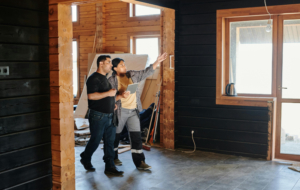
A collaborative and trusting relationship with your builder can significantly enhance the home-building experience. Effective communication, mutual respect, and shared goals are essential for fostering a positive working relationship. Establish clear lines of communication from the outset and maintain regular contact with the builder throughout the project. This can include personal on-site management for interactive communication.
Express your expectations clearly and listen attentively to the builder’s recommendations and concerns. Be open to compromise and willing to work together to find solutions to any challenges that may arise. Remember that building a home is a complex undertaking. Unexpected issues may occur. By maintaining a positive attitude and a collaborative spirit, you can navigate challenges effectively and achieve a successful outcome.
Conclusion
Choosing the right builder makes building a house enjoyable. Rushing this process can lead to stress and problems. Take your time to find an honest building team that values clear communication.
With a good building crew, making your dream home a reality can be a smooth and stress-free experience. Before finalizing your decision, revisit the essential considerations outlined in this guide.
With a good building crew, making your dream home a reality can be a smooth and stress-free experience. Before finalizing your decision, revisit the essential considerations outlined in this guide. Contact Robert Bulloch Construction today—your trusted Southern Utah residential construction experts committed to quality craftsmanship and customer satisfaction.