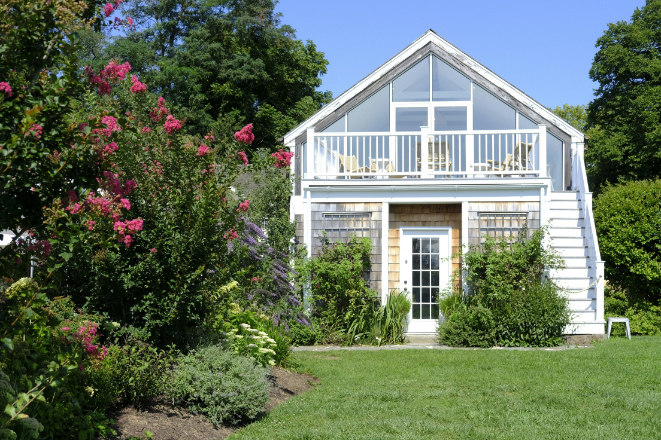
An Accessory Dwelling Unit, or ADU, is a small but fully functional residential structure built on the same lot as a single-family home. You may have heard them called casitas, in-law suites, granny flats, backyard cottages, or guest houses. In essence, they are compact, self-contained homes designed to serve a range of purposes from housing family to generating rental income.
In Southern Utah, especially in places like Cedar City, St. George, and surrounding towns, ADUs are gaining traction. As builders who have spent decades working with homeowners across this region, we’ve seen firsthand how ADUs meet modern needs with timeless craftsmanship. At their core, ADUs are custom homes just built on a smaller scale.
Why More Homeowners Are Building ADUs
Multi-Generational Living
Families are looking for ways to stay close while maintaining independence. An ADU offers a respectful balance of proximity and privacy. Whether you’re building a space for an aging parent who wants to age in place with dignity, or an adult child who’s moving back home to get on their feet, ADUs offer a practical and emotionally thoughtful solution. With features like step-free entries, wide doorways, and full kitchens, these small homes can be tailored for comfort, safety, and long-term usability.
Rental Income Potential
Some homeowners choose to rent out their ADU to long-term tenants, traveling nurses, university students, or short-term vacation guests. With proper permitting, an ADU can become a source of steady income, a way to help offset your mortgage, build equity faster, or invest in retirement security. In popular areas like St. George or Cedar City, where demand for flexible housing is rising, an ADU adds both monthly income and property value. We often help clients design units that feel welcoming and private, with high-end finishes to appeal to discerning renters.
Guest Accommodations
For families who regularly host out-of-town visitors, an ADU offers a quiet, comfortable place to stay without disrupting your own home. Whether it’s holiday gatherings, weekend trips from family up north, or grandkids staying over in the summer, having a separate guest space makes hosting more relaxed for everyone. Some homeowners even design their guest ADUs with a kitchenette, fireplace, and private patio to create a retreat-like experience.
Work and Creative Space
We’re seeing more clients build ADUs as private studios or remote work sanctuaries. A detached unit offers separation and clarity, something that’s hard to come by in a busy household. Whether you’re a therapist meeting with clients, a photographer needing natural light, or someone working remotely full-time, an ADU can be tailored to your creative or professional needs. Soundproofing, built-in cabinetry, and large windows are just a few of the options we often incorporate into these versatile workspaces.
Why ADUs Are Gaining Momentum in Southern Utah
Housing demand is growing across the region. More people are moving to Cedar City, Enoch, Parowan, and St. George for work, retirement, or the lifestyle Southern Utah offers. ADUs provide a way to expand housing options without changing the character of existing neighborhoods.
Many cities are now updating their zoning rules to encourage responsible ADU construction. This includes reducing minimum lot sizes or easing parking requirements. Homeowners are also realizing they can make better use of their land and invest in their property’s long-term value.
What to Know Before Building an ADU in Southern Utah
Local Zoning and Permits
Before you break ground on an ADU in Southern Utah, it’s critical to understand the local zoning laws and permitting requirements because getting this part right is the foundation for everything that follows. Every city has its own rules, and even neighboring communities can differ widely in what they allow. In Cedar City, for instance, the rules for detached ADUs aren’t the same as those for garage conversions or basement apartments. What might be permitted in St. George could face more restrictions in Enoch or Parowan.
Here are a few key factors that local planning departments typically evaluate:
- Lot size and setbacks: Minimum lot dimensions and required distances between structures.
- Maximum square footage: Cities may limit the size of the ADU relative to the primary residence.
- Parking requirements: You may need to provide additional off-street parking.
- Utility hookups and access: ADUs must meet local codes for water, sewer, and electrical systems.
- HOA restrictions: If you live in a neighborhood with a homeowner association, review their covenants early.
Why does this matter? Because permitting isn’t just paperwork it’s protection. It ensures your ADU is safe, insurable, and legally rentable. Skipping steps or relying on outdated information can delay your project or even shut it down halfway through. That’s why working with a builder who knows how to navigate the local process isn’t just helpful, it’s essential.
At Bulco, we work directly with city departments and planning officials to make sure every ADU we build is fully compliant. We help homeowners understand what’s possible on their lot and guide them through the approvals, so they can move forward with confidence and peace of mind.
Utilities and Site Access
Planning utility connections is one of the most overlooked steps in ADU construction, but it can quickly become one of the most expensive if not handled correctly. Your ADU will need access to water, sewer, electrical, and potentially natural gas or propane. You may also need internet and cable lines, depending on how the space will be used.
Sometimes utilities can be shared with the main house; other times, separate meters are required especially if you’re renting out the unit or selling it as a condo. Trenching and extending utility lines can impact your budget and timeline significantly.
Equally important is site access. Can construction vehicles and equipment reach the build site? Will emergency services be able to access the ADU once it’s complete? If you live on a slope, down a private road, or in a rural area, these considerations become even more critical. Planning for utility and access needs early helps prevent delays and added costs later.
We help our clients think through these infrastructure details from the very beginning because we know a great structure starts with a solid foundation, both above and below ground.
Budget and Financing
Building an ADU is typically more affordable than a full-sized custom home, but it still requires careful financial planning. Costs will depend on the size and complexity of your build, the materials you select, site conditions, and whether the unit is attached, detached, or a conversion.
Many homeowners underestimate the costs of permitting, utility connections, excavation, and site preparation. That’s why we walk through a detailed budget with you upfront, not just for construction, but for every phase of the project. This includes architectural design, engineering, inspections, and finishes.
Financing options may include a home equity loan, cash-out refinance, construction loan, or savings. In some municipalities, grants or local incentives may be available to encourage ADU development, especially if it’s intended for affordable housing or family care. A well-planned ADU can increase your property’s value, generate rental income, and provide long-term flexibility. We believe it’s worth doing right the first time.
With Bulco, you’re not just getting a builder, you’re gaining a trusted guide to help you navigate the financial side of your project with clarity and confidence.
ADUs Are Custom Homes and Should Be Built That Way
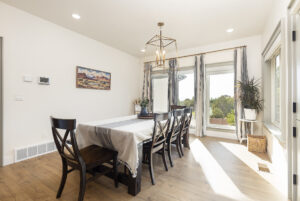
A well-designed ADU doesn’t just add square footage. It enhances your lifestyle. That’s why every ADU we build is thoughtfully customized to fit the needs of the people who will use it.
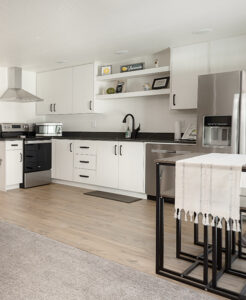
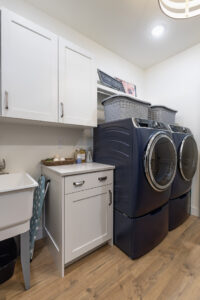
Want vaulted ceilings to create a sense of space? Need built-in storage, a compact laundry area, or accessibility features for aging in place? These are the kinds of details that turn a small structure into a lasting solution.
With Bulco, you’re getting the same craftsmanship and attention to detail we bring to every custom home. We listen carefully, build intentionally, and make sure the final space feels like home because it is.
Ready to Build an ADU in Southern Utah?
Whether you’re planning a guest house in St. George, a rental unit in Cedar City, or a private suite for a family in Enoch, we can help you navigate the process from idea to move-in.
Reach out to us here to schedule a consultation or explore our past projects for inspiration.
Where trust builds foundations, communication strengthens connections, and quality stands the test of time.