
Built to endure. Crafted for comfort. Inspired by the land.
A mountain cabin is more than a structure. It’s a return point, a place where mornings start slow, memories take root, and time feels different.
Whether you’re building a weekend getaway, a high-country hunting retreat, or a full-time mountain home, the design matters. Not just for how it looks, but for how it lives. The best mountain cabin designs feel timeless; they fit the land, hold up to the elements, and welcome generations to come.
At Bulloch Construction, we’ve been building these kinds of homes in Southern Utah for over 40 years. Here’s what we’ve learned about designing a mountain cabin that truly stands the test of time.
1. Build with the Land, Not Against It
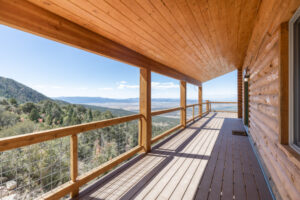
Every good cabin starts with a conversation not just with the homeowner, but with the land itself.
Before floor plans, we study the property: the slope, the sunlight, the views, and how water moves across the site. Design choices like where to place windows, porches, or driveways aren’t just about looks. They affect snow load, passive solar gain, drainage, and long-term access.
A well-placed cabin does more than blend into its surroundings; it works with them. That means fewer surprises down the line and a structure that feels settled, not forced.
2. Choose Materials Built for Mountain Living
Southern Utah’s mountain regions offer beauty and solitude, but they also bring challenges:
High winds. Heavy snow. Wildfire risk. Intense sun. Freeze-thaw cycles.
To handle that, your cabin needs the right materials and the right builder who knows how to use them. We recommend:
- Metal or composite roofing to shed snow and last for decades
- Natural or engineered siding that resists moisture and UV damage
- Energy-efficient windows with proper sealing and orientation
- Solid timber or log accents that are both functional and beautiful
- Spray foam or batt insulation designed for high-altitude temperature swings
For more on log-style construction, visit our Log Home Builders in Cedar City, Utah article.
3. Design for Your Life, Not Just a Layout
A mountain cabin can serve a lot of purposes. We’ve built:
- Hunting and fishing cabins with mudrooms, storage for gear, and hardy finishes
- Vacation homes with open-concept kitchens and bunk spaces for visiting family
- Weekend getaways with compact footprints and minimal maintenance
- Full-time residences with efficient heating systems and long-term durability
Good mountain cabin design starts with how you plan to use the space now, and ten years from now. Will you host family holidays? Will it be rented out part of the year? Should bedrooms be on one level for aging in place?
We design around real lives, not just Pinterest boards.
If you’re still early in the process, our Step-by-Step Guide to Building Your Dream Mountain Cabin is a great place to start.
4. Focus on Function First, Then Style
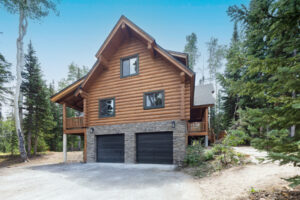
It’s easy to get swept up in aesthetics: exposed beams, rustic lighting, big stone fireplaces. And those are all important. But the real value of your cabin shows up in how well it works every day.
Some of the most important decisions are the ones you don’t see:
- How is the plumbing protected from freezing?
- Where will snow shed from the roof?
- Does the entryway have a place to remove boots or store firewood?
A beautiful cabin that’s hard to heat, difficult to access in winter, or vulnerable to wind isn’t truly built for the mountains.
5. Plan for Seasons, Storms, and Future Needs
Designing a cabin in Duck Creek or Parowan means preparing for four seasons and all that comes with them. That includes:
- Defensible space around the home for fire safety
- Drainage systems to handle snowmelt and rain
- Roof pitches to prevent ice dams
- Foundations suited to slope and soil type
We also think long-term: where will you park an ATV trailer? Could a future garage or bunkhouse be added later? What happens when kids grow up or guests stay longer?
Legacy cabins are built with change in mind, not just trends.
6. Build with a Team Who Knows the Terrain
Mountain cabin construction isn’t like building in town. You need a team who knows the access roads, the soil types, the permit timelines, and the real-world challenges that come with high-altitude construction.
At Bulco, we’ve been building custom homes and cabins in Southern Utah since 1983. We work in places where snow gets deep, roads get rough, and expectations stay high.
If you’re looking for the right builder, here’s a good place to start: Finding the Best Home and Cabin Builders in Southern Utah
FAQ
What is the best design for a mountain cabin?
A great mountain cabin design blends function with durability. Steep roofs, efficient layouts, and climate-ready materials are essential especially in high-altitude areas like Duck Creek and Cedar Highlands.
How do I make my cabin last longer?
Choose durable materials, build with the land, and work with an experienced builder who understands snow loads, wildfire risks, and freeze protection.
Can I use a mountain cabin as a vacation rental?
Yes. Many cabins are designed as vacation homes or part-time rentals. If that’s your plan, make sure the design includes guest-friendly features like extra sleeping space, outdoor areas, and durable finishes.
What’s the difference between a hunting cabin and a vacation cabin?
Hunting or fishing cabins often prioritize gear storage, mudrooms, and easy maintenance. Vacation homes tend to focus on comfort, gathering space, and scenic views. We’ve built both hybrids of the two.
Conclusion: Designed to Endure, Built to Belong
The best cabins don’t feel new. They feel meant to be there. They age with grace, hold memories in their walls, and serve every season with quiet strength.
Designing a mountain cabin that stands the test of time means listening to the land, to your lifestyle, and to the lessons learned by those who’ve built in these places before.
We’re here when you’re ready to take that next step.
Explore our past projects or contact us directly to start a conversation. We’d be honored to help you build something that lasts.