More Than a Cabin
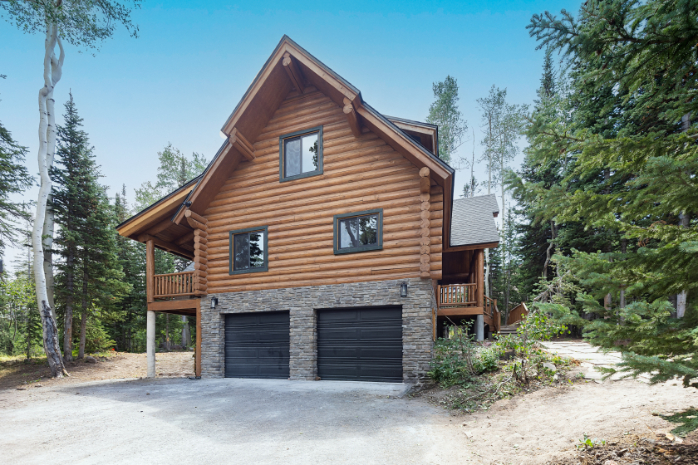
A log cabin is more than just a place to escape. It’s a return to something quieter, more grounded. Whether you’re building a legacy home for future generations or carving out a personal retreat in the mountains of Southern Utah, the journey begins with the right log cabin builder.
Building in this part of the state comes with unique conditions elevation, weather swings, fire risk, and remote sites. A good builder won’t just work with these factors. They’ll anticipate them.
Here’s what to know before you choose your builder, and what makes a log cabin not just beautiful, but lasting.
Why Log Cabins Require Specialized Builders
Building a log home is different from building a conventional one. The materials behave differently. The joinery is more complex. The environment is harsher. If your builder treats it like any other home, problems will show up fast settling issues, moisture problems, or materials that don’t hold up to the high desert climate.
A seasoned log cabin builder will know how to select and prepare logs for this region. They’ll understand local permitting, road access, and the fire-wise requirements that come with building in a forested area.
If you want to get a sense of what log cabin expertise looks like, we recommend starting with this resource: Log Home Builders in Cedar City, Utah.
Choosing the Right Wood: It’s the Heart of Your Cabin
Every great cabin starts with great wood. Choosing the right log species can affect everything from appearance and performance to price and maintenance. Here are four of the most common options used in Southern Utah log homes:
Douglas Fir
- Dense, strong, and ideal for structural elements.
- Holds nails and screws well. Excellent for roof beams and large spans.
- When dried properly, it resists rot and shrinkage.
Lodgepole Pine
- Common in Utah and often cost-effective.
- Lighter than Douglas Fir, but easier to work with.
- Must be dried thoroughly to avoid checking (cracks).
Western Red Cedar
- Naturally resistant to insects and decay.
- Has a rich, warm tone and pleasant aroma.
- More expensive, but offers long-term value in weather resistance.
Engelmann Spruce
- Pale in color, straight grain, and good for milled log homes.
- Lighter weight and moderate strength.
- Often used for handcrafted designs.
A knowledgeable log cabin builder can walk you through the pros and cons of each species. They should also explain how the logs are seasoned (air-dried vs. kiln-dried) and how that impacts shrinkage, stability, and long-term maintenance.
Want a deeper dive into cabin types? Take a look at Comparing Types of Log Homes for Southern Utah Living.
Comparing Log Cabin Construction Methods
There are a few primary ways to build a log cabin, and each has pros and cons depending on your budget, style preferences, and timeline.
Handcrafted Log Homes
- Each log is stripped, shaped, and fit by hand.
- Rustic, organic look with visible character.
- It takes time and skill. Ideal for clients who want artistry and uniqueness.
Milled Log Homes
- Logs are machine-cut to uniform size and shape.
- Easier to seal and assemble.
- Good balance of efficiency and customization.
Timber Frame Hybrids
- Structural frames are exposed; walls may be SIPs or conventional framing.
- Offers modern energy efficiency with a log cabin feel.
- Flexible for open-concept designs and high insulation values.
Log Cabin Kits
- Pre-cut and packaged for on-site assembly.
- Can be cost-effective for DIY-minded homeowners.
- Often includes logs, fasteners, and basic blueprints.
- Varies widely in quality be sure to vet suppliers carefully.
Kits can be a great option for those wanting more control or working with a tighter budget. However, it’s essential to work with a log cabin builder who can either assemble the kit professionally or guide you through the process to avoid costly mistakes.
A good builder can help you compare not only the upfront cost, but the long-term maintenance and performance of each approach.
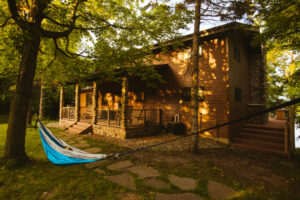
Design with the Land in Mind
Cabins aren’t dropped onto a site they should grow from it. That means respecting the slope of the land, the prevailing winds, the sun’s path, and how water flows during spring melt or heavy rain.
Your builder should plan for:
- Snow loads and steep roof pitches
- Fire mitigation and defensible space
- Driveway access for all seasons
- Proper drainage and soil stability
The right design will feel like it belongs to the landscape, not just placed on it.
Building for Legacy, Not Just Looks
Some cabins look great for a year or two, then show their age. Logs split. Corners settle. Gaps open. That happens when corners are cut or the builder isn’t thinking decades ahead.
A quality log cabin builder knows how to build for long-term strength:
- Strategic sealing and chinking
- Settlement joints and allowances
- Proper overhangs to shield log walls
- Borate treatments and UV-resistant finishes
If you’re building a family retreat, it should be one that lasts for generations. That’s what we aim for.
To explore this philosophy, visit Custom Log Homes in Cedar City – Build Your Legacy.
Questions to Ask Your Log Cabin Builder
Before signing a contract, ask questions like:
- What species of wood do you recommend for my property?
- How do you handle settling and shrinkage in your builds?
- Have you built at this elevation or in this specific area?
- What type of foundation do you recommend for my soil?
- What does maintenance look like 5, 10, or 20 years out?
The answers will tell you a lot about their experience, honesty, and commitment.
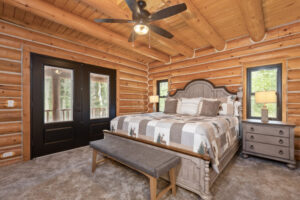
The Bulco Way: Quiet Craftsmanship, Lasting Quality
At Bulco, we don’t aim for the spotlight. We aim for trust. We’ve been building in Southern Utah since 1983, and our log cabins reflect that history: grounded, carefully planned, and built to last.
We work closely with each client to understand what matters most whether it’s weekend getaways or full-time mountain living. From the first site walk to the final inspection, we build like it’s our name on every log.
When you’re ready, reach out to us here. We’d be honored to help you start planning.
Conclusion: Your Cabin, Your Legacy
A log cabin isn’t just a structure, it’s a story. It’s the place where memories are made, where the seasons slow down, and where craftsmanship matters.
If you’re dreaming of building in Southern Utah, choose a log cabin builder who knows how to listen, how to lead, and how to build it right the first time.