Build Smart. Start Strong.
Starting a new home build can feel a lot like staring at a blank canvas—thrilling, full of possibility, but maybe a little overwhelming too, especially if you’re building for the first time here in Southern Utah. The mountains are calling, the land is wide open, and you’ve got a dream in your heart. But where do you start?
That’s what this guide is for. We’ll walk you through the early planning stages of building your dream home, step by step, with friendly guidance and clear direction. From land to layout, we’ve got you covered—no jargon, no overwhelm, just a neighborly roadmap from folks who know this region and this process like the back of our hands.
Step 1: Visualize and Commit
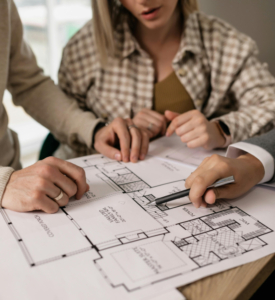
Before blueprints, before budgets—start with your story. Picture your everyday life in your future home. Are you brewing coffee in a quiet kitchen nook, hosting family for Sunday dinners, working from a peaceful home office? Getting specific about how you want to live helps shape everything else.
Gather inspiration along the way. Clip photos from magazines, save floor plans, and explore local model homes. Sites like Pinterest and Houzz are great for collecting ideas, but don’t stop there. Drive around your favorite neighborhoods in Cedar City or Parowan. Notice what homes draw your eye.
You don’t need every detail nailed down, but having a general idea, like how many bedrooms you’ll need or whether you want an open-concept layout, will help your future builder bring your vision to life.
Step 2: Choose the Right Location
Location shapes the lifestyle you’ll have in your new home, so give this decision the time it deserves.
- Cedar City offers a vibrant community with schools, restaurants, and year-round accessibility. It’s a great fit for families and folks who want to stay close to city conveniences while still enjoying mountain views.
- Enoch and Parowan offer a quieter pace. You’ll find more space to spread out and often more affordable land. If you’re dreaming of a big backyard or garden space, these towns are worth exploring.
- Duck Creek, up in the pines, is a whole different kind of magic. Perfect for second homes or a peaceful mountain escape. But be prepared—seasonal access, septic systems, and off-grid options can make the planning more complex. A builder with mountain experience is key here.
And wherever you’re looking, make sure you—or your builder—understand the local zoning and permitting rules. A great idea can stall quickly without the right approvals.
Step 3: Partner with the Right Builder (Your MVP)
Choosing a builder is like picking a business partner, therapist, and coach all in one. This person will guide you through one of the biggest projects of your life, so it’s worth taking time to find the right fit.
Look for someone who has local experience. Southern Utah’s red rock soil, elevation, and fire codes aren’t something every out-of-town contractor understands. You want someone who’s built here before—and can prove it.
Make sure they’re licensed with the Utah DOPL and fully insured. Ask to see their recent work, and don’t be afraid to request references from past clients. Most good builders will welcome your questions.
And when you meet, ask how they communicate. Will you get regular updates? Who handles permits? How do they deal with weather delays or changes in the plan? The right builder will be transparent and organized, and make you feel at ease.
Step 4: Align Design and Budget
You might already have your dream design in hand. That’s fantastic—but now it’s time to talk money.
Not every dreamy idea makes sense for every budget or building site. A smart builder will help you “value-engineer” your design, adjusting materials or layout without sacrificing your priorities. Maybe that vaulted ceiling gets reimagined, or a three-car garage becomes two.
This is also when you’ll outline your working budget. A good rule of thumb is to set aside a 10–15% contingency fund for the surprises that almost always pop up. (It’s construction—something always pops up.)
When builder and client work together transparently, you get a realistic plan that meets both your dreams and your wallet.
Step 5: Prep the Site and Get Permits
This is the behind-the-scenes work that keeps your future home on solid ground—literally and legally.
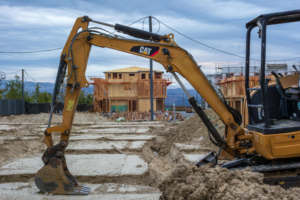
Site prep can include things like grading the land, clearing trees, testing the soil, and checking water access. If you’re building in a mountain area like Duck Creek, there might be added steps for erosion control, fire prevention, or septic design.
Permits are another big piece of the puzzle. In Cedar City, you’ll likely need building, electrical, plumbing, and mechanical permits, plus zoning approval. Your builder should handle these, but ask about the timeline, as permit processing can take several weeks depending on the area.
Taking the time to do this right avoids costly hiccups later. It’s the groundwork for a smooth build.
Step 6: Build a Solid Schedule
Once the paperwork is filed and the dirt is moved, it’s time to talk timelines.
Most homes go through the same major stages: foundation, framing, roofing, rough-ins (like plumbing and electric), insulation, drywall, and then the finishing work. It’s a long road, and weather delays, material shortages, or inspection hold-ups can shift your move-in date.
That’s why having a builder who keeps you informed is so important. Ask for milestone updates, and check in often. You don’t need to micromanage—but knowing what’s happening gives you peace of mind and helps you make decisions quickly when needed.
Step 7: Trust the Process—and Your Team
Here’s the truth: no home build is completely bump-free. You might hit a snag with materials or discover a rock layer where the foundation was supposed to go. What matters most is how your team responds.
When you’ve chosen a builder who communicates well and plans ahead, those small hiccups won’t feel like disasters. Instead, you’ll work together to solve problems and keep moving forward.
So take a breath. This is all part of the journey. Stay focused on the big picture—the warm mornings on the front porch, the holidays around your own dining table, the home you’ve dreamed of becoming real.

A Few Questions First-Timers Often Ask
How long should planning take before we break ground?
Usually, 1 to 3 months is a good planning window. It depends on how ready your land is, how long permits take, and how finalized your home design is.
Do I need to own land before I call a builder?
Not necessarily. A good builder can help you find land that matches your goals and budget, and steer you away from properties that might bring hidden challenges.
What’s different about building in Duck Creek versus Cedar City?
Duck Creek brings unique challenges like snow access, septic systems, and fire safety codes. It’s beautiful, but you definitely want a builder familiar with high-elevation builds.
What permits do I need in Cedar City?
You’ll usually need building, electrical, plumbing, and mechanical permits. There may also be zoning or engineering reviews depending on your site. Your builder should manage this, but it’s always good to ask how long the permitting process typically takes.
Let’s Build Your Home the Right Way
At Robert Bulloch Construction, we specialize in helping first-time builders just like you. We’ve been crafting homes across Southern Utah since 1983, and we know what it takes to turn a sketch and a dream into something solid and lasting.
If you’re thinking about building, don’t wait until every detail is perfect. Start the conversation. Contact us today and let’s start planning your home together.